
Video-assisted, personalized Patient Education

Medical education videos enable comprehensible, consistent and legally compliant patient information – even before the doctor’s consultation begins.
Personalized video sequences make Patient Education scalable, efficient and much easier to understand.

The Problem of Traditional Patient Education

The standard is high: patients should understand risks, make decisions and give informed consent. However, the reality in many clinics is very different. Doctors conduct daily explanatory discussions under enormous time pressure. At the same time, complex medical content has to be explained clearly – often several times a day.

Typical challenges:

  • Patients only partially understand medical information
  • Educational talks are constantly repeated
  • Important content is explained differently
  • Patients forget much of the information after the conversation
  • Documentation and proof of clarification are time-consuming

Studies show that patients forget more than half of the information shortly after a consultation. This leads to three central problems:

Inefficiency

Clinic operations are impaired by long conversations

Uncertainty

Patients are unsure because they often do not understand procedures.

High risk

Uninformed patients are more likely to complain afterwards.

Papierbasierte Patientenaufklärung ist ein Effizienz-Killer

Why medical educational videos are much better understood

People learn visually. Especially when complex medical processes are explained. Video-based Patient Education combines all relevant factors: Image, language, animation and storytelling. The result:
Patients come to the consultation better prepared. The conversation becomes more focused, more efficient and of better quality, and understanding increases, even for complex procedures.

  • Medical facts are clearly visualized
  • Patients can view content at their own pace
  • Information can be repeated as often as required
  • Relatives can be involved
  • Contents are always consistently explained
  • The content is available in the patient’s native language

Warum generische Aufklärungsvideos nicht ausreichen

Many clinics are already using medical videos. However, these are often standardized one-size-fits-all videosthat are shown to all patients.
The problem is that not every patient needs the same content, and the law also prescribes individual, patient-specific information.

An example: A patient undergoes knee surgery:

  • Operation method
  • Anesthetic procedure
  • Individual risks
  • Concomitant diseases
  • Postoperative measures

A generic video can hardly achieve this level of individualization. The result:
patients either receive too much information or not the right information.
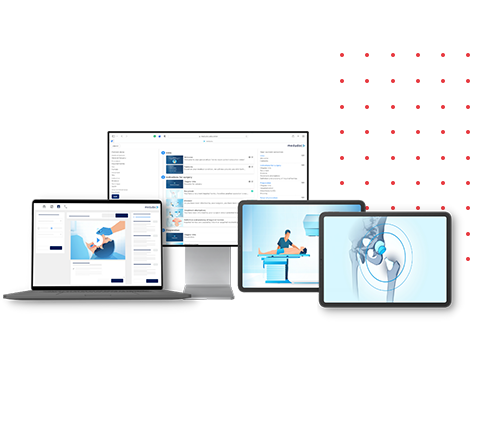
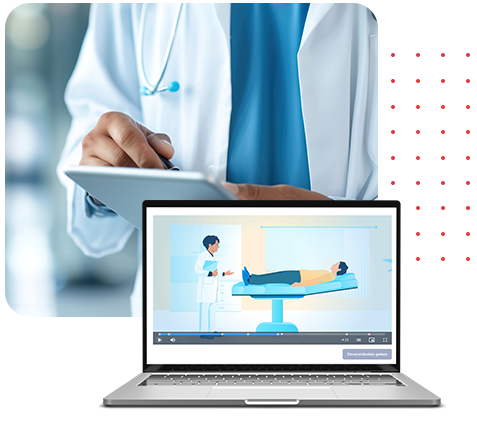
Digital education platform for medical education

Why personalized educational videos are the future of Patient Education

Modern Patient Education combines structured anamnesis with modular video content. Instead of a long standard video, an individual video sequence is created. This is made up of many short medical video snippets. The result is an individually compiled information video that is tailored precisely to the patient.

medudoc addresses the individual requirements of the patient in its educational content, such as

  • Information on the procedure
  • Individual risk factors
  • Inclusion of anesthesia procedures
  • Combination of concomitant diseases
  • Special features on age & weight
  • Information from the medical history

The patient thus receives exactly the information that is relevant to them.

More time for medicine

Video-based education not only changes the patient experience.
It also changes the workflow in the clinic.

Instead of answering the same recurring questions, doctors will in future focus more on the specific questions, risks and challenges of each patient.

This makes the information better and more comprehensible overall and thus provides real added value beyond the legal framework.

  • Patients are better prepared
    Patients understand procedures and risks before the consultation
  • Medical consultations become more efficient
    Instead of explaining basic content, the doctor can focus on individual questions
  • Less repetition
    Standard information does not need to be explained several times
  • Better documentation
    Digital systems enable transparent documentation of the clarification
  • Higher patient satisfaction
    Patients feel better informed and safer

Available for many specialist areas

The medudoc educational content is available for various specialist areas and can be used individually. This means that maximum care providers also benefit from the video-based educational solutions and can optimize their processes.
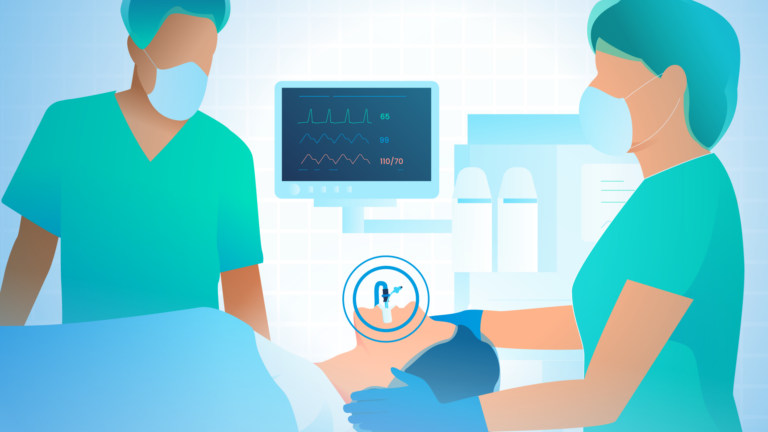
Anesthesiology

Anesthesia information,
Risk information,
Preparation for the procedure, etc.
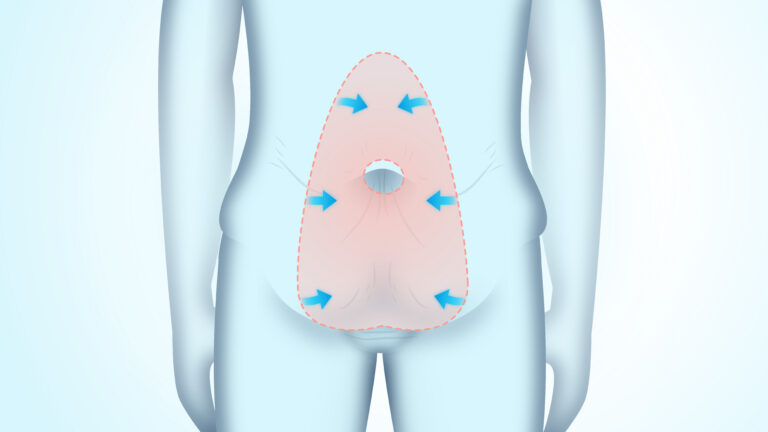
Aesthetic medicine

Rhinoplasty, Botox injections, tummy tuck and alternatives for procedures, etc.
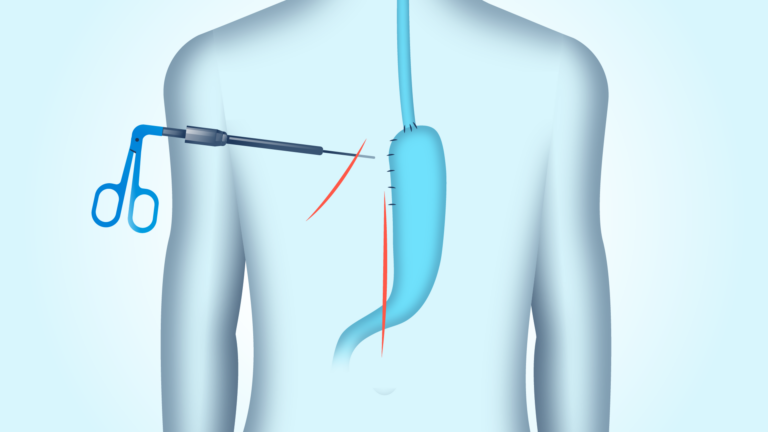
Surgery

Surgical procedure,
postoperative risks,
rules of conduct after the procedure, etc.

Gynecology

surgical interventions,
obstetrics,
minimally invasive procedures, etc.
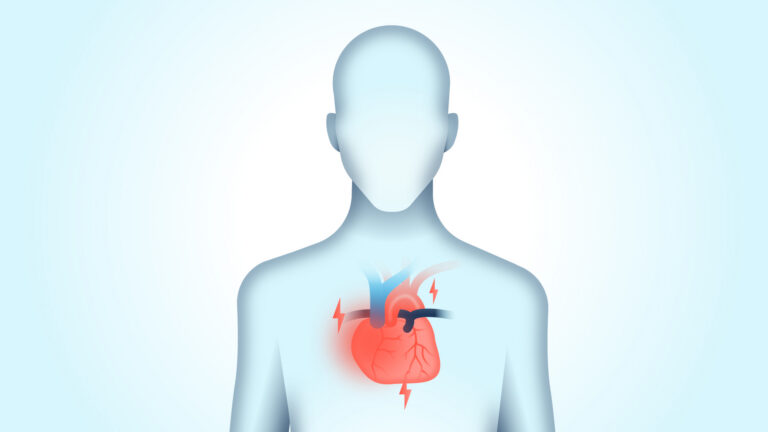
Cardiology

Cardiac catheterization,
interventions, follow-up treatment, etc.
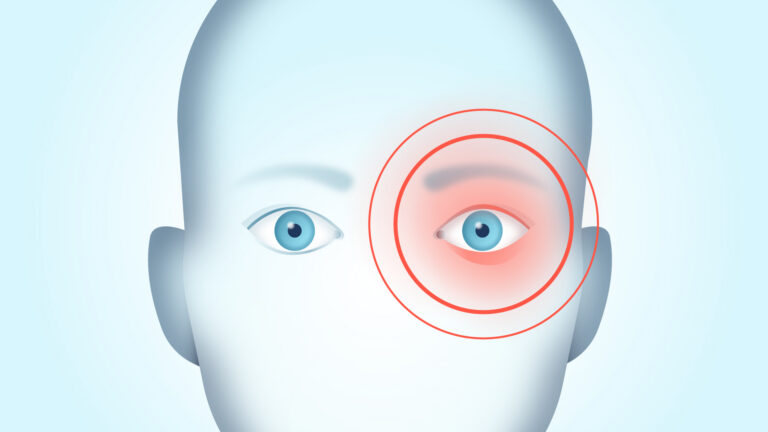
Ophthalmology

Cataract surgery, laser treatment, cataract surgery, etc.
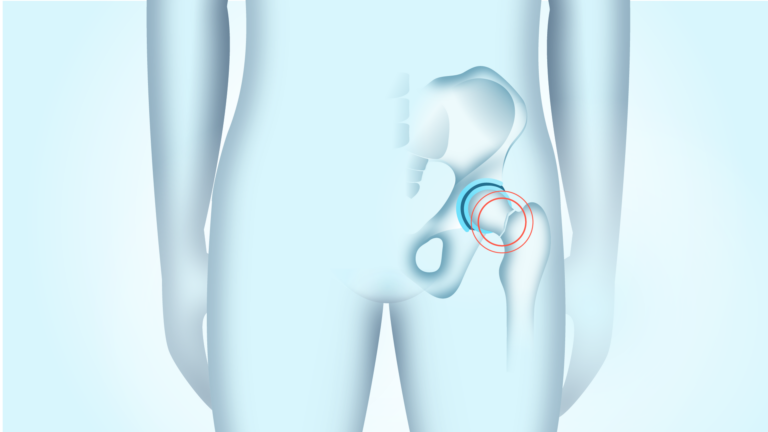
Orthopaedics

Joint operations,
arthroscopy,
implants, etc.
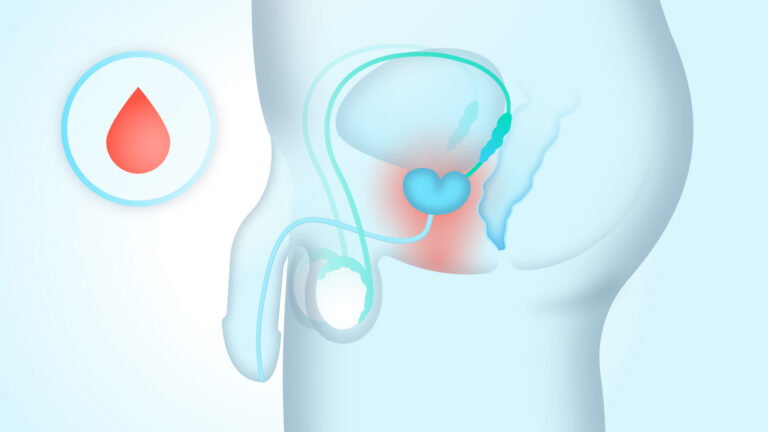
Urology

Endoscopy,
Prostate operations, vasectomy, etc.

The medudoc platform for personalized,
video-assisted medical education

medudoc combines structured and personalized patient information with modular video technology. The core of our system lies in the fact that no generic video is provided, but a video tailored to the individual patient is generated individually. To do this, our platform automatically creates personalized educational videos from many medical video sequences.
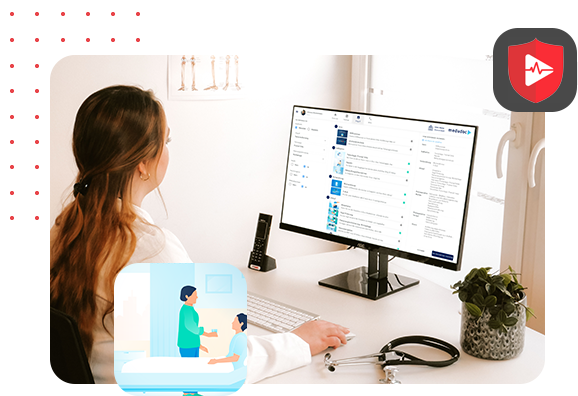
  • Patient-specific video sequences
  • Preparing patients before the consultation
  • Complete integration into existing clinical workflows
  • Use across several departments
  • Digital documentation of the reconnaissance
  • Customization possible within the video
Patient Education via video-assisted information sheets

Frequently asked questions about video-assisted sex education

Medical educational videos are visual information materials that inform patients about medical interventions, risks, treatment procedures and preparation steps.

In contrast to purely written patient information, educational videos combine images, animation and spoken explanations, making complex medical content much easier to understand.

Many clinics now use medical videos to provide patients with structured information about a procedure even before the consultation. This allows patients to be better prepared to ask questions and make decisions.

Videos improve Patient Education because people understand medical information much more easily visually than through text or verbal explanation alone.

Studies show that patients forget a large proportion of medical information shortly after a consultation. Video-based Patient Education enables content:

  • to explain visually understandable
  • view multiple times
  • understand at your own pace
  • to discuss together with relatives

As a result, patients are better prepared for the consultation and can make informed decisions.

Yes, our educational videos are available in up to 23 languages. These are provided with a convenience translation depending on the patient’s wishes.

No. Medical information videos do not replace a consultation with a doctor.

They serve as support and preparation for the discussion between doctor and patient.

Thanks to the prior video explanation, patients already understand the basic information about the procedure. This allows the consultation to focus more on individual questions, personal risks and decisions.

Many clinics therefore use video-assisted information as a supplement to face-to-face consultations.

Generic educational videos show all patients the same content.

Personalized educational videos, on the other hand, adapt the content to the individual patient and the specific procedure.

For example, a personalized video can take into account:

  • the planned intervention
  • the anesthesia procedure
  • Age of the patient
  • Concomitant diseases
  • Specific risk factors

Instead of a long standard video, the patient receives a customized video sequence that contains exactly the content that is relevant to them.

Video-assisted Patient Education can be used in almost all medical specialties.

It is used particularly frequently in:

  • Anesthesiology
  • Surgery
  • Orthopaedics
  • Gynecology
  • Urology
  • Cardiology

In principle, the method is suitable wherever patients need to be informed about procedures, risks or treatment processes.

In many modern clinical processes, patients already see the information videos before the consultation, for example at home or during preparation for a procedure.

This allows patients to:

  • Understanding information at your leisure
  • View content again
  • Prepare questions

This makes the subsequent consultation with the doctor more efficient and more focused on the patient’s individual situation.

Yes, video-assisted Patient Education can make everyday clinical practice much more efficient.

Standard information on procedures, risks or processes no longer needs to be explained in full at every consultation. Instead, patients come to the consultation already prepared.

This allows doctors to focus more on:

  • Individual risks
  • Patient-specific questions
  • Medical decisions

concentrate.

This reduces repetition and improves the quality of the information at the same time.

Yes, medical information videos are generally permitted as long as they do not replace a personal doctor-patient consultation.

Legal information is still provided by the attending physician. Videos serve as a supporting information medium that helps patients to better understand medical content.

Many clinics therefore use video-based education as a supplement to existing education processes.

The medudoc platform combines structured patient information with modular video content.

An individual video sequence is automatically created for each patient from many short medical video sequences.

This can, for example, be adapted to:

  • Intervention
  • Anesthesia procedure
  • Risk factors
  • Pre-existing conditions

The patient thus receives individually tailored information that is easier to understand and at the same time supports the clinical workflow.

Video-based Patient Education with tablet or telemedicine

It has never been easier to implement legally compliant Patient Education than it is today!

Get started today with a free trial version and experience for yourself the new way of legally compliant Patient Education in conjunction with our multilingual information sheets.
  • Start free of charge
  • Subscription can be canceled at any time
  • No hidden costs
  • Possible without IT integration
  • Compliant information sheets
  • Individual educational videos
  • Integrated consent trail
  • Legally compliant consent
Medudoc is the leading platform for digital Patient Education and Informed Consent